8 Reasons To Check Skip Bin Sizes Before Choosing
By Economy Waste Skip Bins • April 8, 2025

When cleaning a garage, renovating a property, or managing waste on a worksite, hiring a skip bin is one of the most efficient ways to stay on top of the mess. But not all bins are created equal—and not every waste job fits a one-size-fits-all approach. One of the most common slip-ups when booking a skip bin is choosing one that’s too small. This can lead to unexpected costs, hold-ups on site, or the hassle of needing a second bin.
Whether you’re decluttering at home or clearing out building materials on a work site, getting the size right from the start makes all the difference. Here's why it pays to think carefully about skip bin sizes before you lock in your hire.
On this page:
- 1. Avoid Unexpected Overflow: Why Skip Bin Size Matters from Day One
- 2. Save Money by Choosing the Right Bin the First Time
- 3. Different Jobs, Different Bins: Matching Skip Sizes to Projects
- 4. Complying with Local Waste Disposal Regulations
- 5. Space Limitations on Your Property or Site
- 6. Sorting Waste Types to Maximise Efficiency
- 7. Plan for Seasonal Clean-Ups or Renovations
- 8. Get Professional Advice Before Booking Your Bin
- Book Reliable Skip Bin Hire on the Central Coast Today
1. Avoid Unexpected Overflow: Why Skip Bin Size Matters from Day One
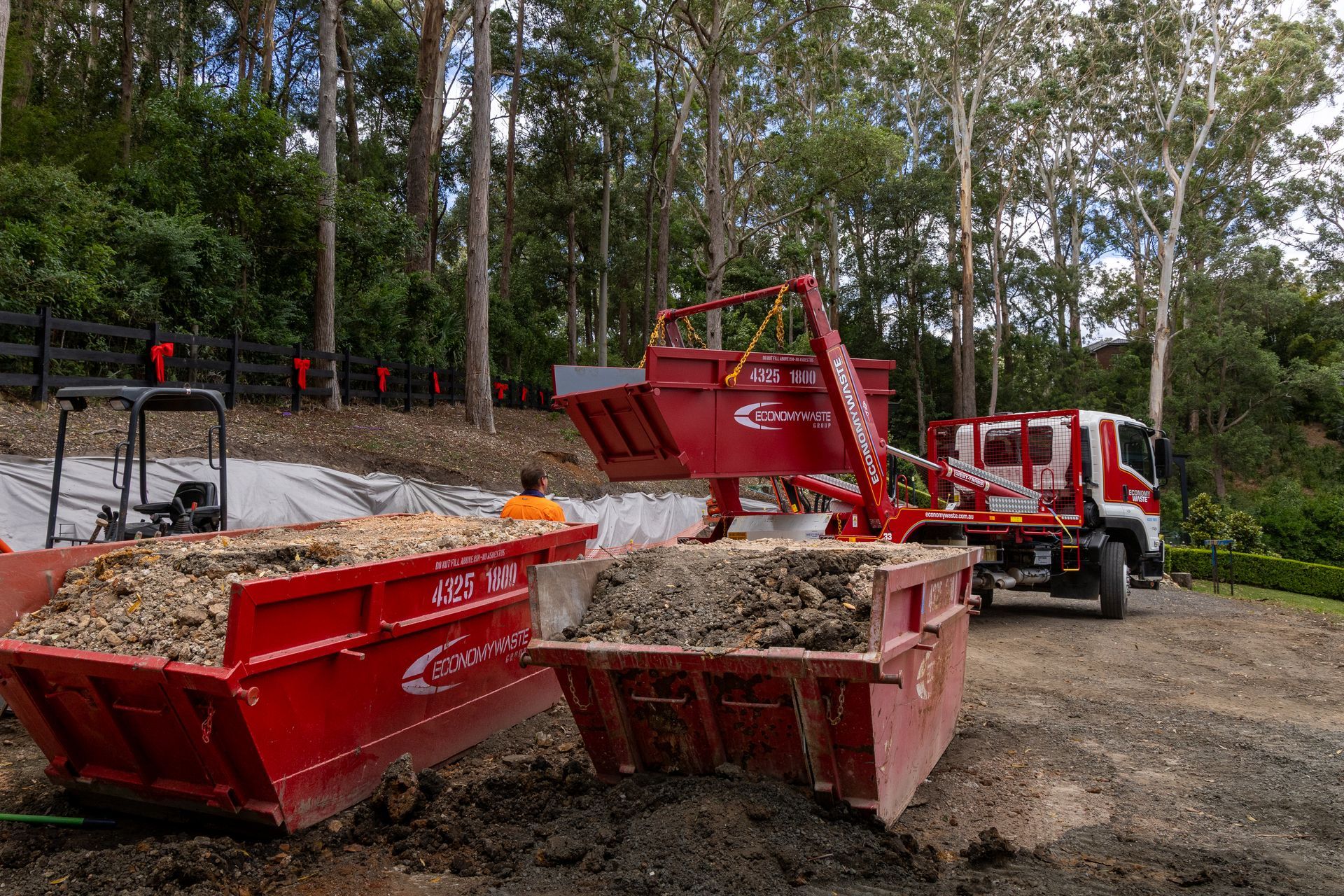
Underestimating the volume of waste can leave you with an overflowing bin and more rubbish than you know what to do with. Skip bins are designed to hold a specific volume, and overfilling them poses safety risks and may breach local transport rules.
Overfull bins may not be collected until the excess is removed, causing delays in your project timeline. Worse still, you might need to hire an additional bin—costing you more time and money.
What can go wrong if your bin is too small?
- Extra trips to dispose of the overflow
- Potential fines for overloaded bins
- Delays in rubbish removal & project progress
- Additional costs for extra bins or skip rebooking
2. Save Money by Choosing the Right Bin the First Time
While it might be tempting to go for the smallest bin to save upfront, hiring one that’s too small often results in needing another bin or multiple trips to a waste centre. That’s where the real costs begin to add up.
Hiring a larger bin from the start can often be more economical than hiring two smaller ones.
Benefits of choosing the correct skip bin size:
- Avoid double-handling of waste
- Reduce transport & hire fees
- Maximise value by filling a single bin
- Eliminate the need for rebookings or last-minute upgrades
3. Different Jobs, Different Bins: Matching Skip Sizes to Projects
Every job produces different waste. The debris from a small bathroom reno will be nowhere near that of a full kitchen teardown or landscaping overhaul. That’s why matching your project with the right skip size is crucial.
Typical skip bin needs by project type:
- Household clean-ups – 2–4T bins
- Renovations & demolitions – 5–9T bins
- Commercial or construction sites – 13–28H bins
- Garden & green waste – 3–7T bins
Understanding the scale of your job helps determine the best fit and ensures you’re not left short.
4. Complying with Local Waste Disposal Regulations
On the Central Coast, waste transport must meet specific safety and compliance standards. Overfilled or improperly loaded bins can breach these regulations, potentially attracting fines or non-collection.
Choosing a bin that accommodates your total waste volume reduces the risk of overloading and makes disposal safer and more efficient.
Proper bin size ensures:
- Adherence to weight & fill limits
- Safe & secure transport
- Fewer legal or council-related complications
- Easier collection & disposal logistics
5. Space Limitations on Your Property or Site
Choosing the right bin isn’t just about what goes in—it’s also about where it will sit. Bin dimensions vary, and selecting a bin too large for your site could block access points or breach council placement guidelines.
Before choosing, consider:
- Driveway size & clearance
- Access for trucks to drop off or collect
- Street placement requirements (some may need permits)
- Whether multiple small bins might fit better than one large bin
Getting this right means smoother placement and easier access on collection day.
6. Sorting Waste Types to Maximise Efficiency
Not all waste is the same. Skip bins can handle different waste streams, such as general waste, green waste, heavy waste, or construction materials. Selecting the correct bin size allows you to separate and manage these materials more effectively.
Best bin sizes by waste type:
- General household waste: 3–7T
- Green waste: 2–4T for light trimmings, up to 7T for branches and mulch
- Heavy mixed waste (bricks, concrete): 4–7T
- Commercial cleanouts: 9T +
Proper planning helps avoid mixing prohibited items and ensures waste is managed appropriately.
7. Plan for Seasonal Clean-Ups or Renovations
Planning a spring clean, preparing for a move, or starting a home renovation? Seasonal jobs often produce more waste than expected—especially when you’re finally clearing out areas you’ve ignored for years.

Choosing a bin in advance gives you the confidence to tackle the job without interruptions.
Seasonal jobs that benefit from right-size bins:
- Spring garden overhauls
- Pre-sale home cleanouts
- End-of-lease property clearance
- Festive season decluttering
- Shed, garage & crawl space clear-outs
Ticking this box early helps prevent mid-project disruptions.
8. Get Professional Advice Before Booking Your Bin
Still unsure what size you need? Choosing the right skip bin size isn’t always straightforward—especially if it’s your first time hiring one. With so many bin types and waste categories to consider, it’s worth getting expert input before you book.
Here’s why professional advice makes a difference:
- Waste volume can be hard to estimate without experience—professionals can help match bin size to your project.
- Property access, driveway space, and placement rules are all factors that affect which bin will work best.
- Different types of waste require different bins. Choosing correctly helps avoid sorting issues or overloading.
- Getting it right the first time means fewer delays, no rebookings, and no unnecessary costs.
A quick chat with someone who knows the ins and outs of skip bin hire can save you time, money, and frustration in the long run.
Book Reliable Skip Bin Hire on the Central Coast Today
At Economy Waste Group, we understand that skip bin hire isn’t just about throwing rubbish away—it’s about making your clean-up, renovation or construction job as smooth as possible. Our range of skip bins on the Central Coast means there’s a solution for every job, from garden waste to major demolition debris.
Get in touch via our
contact page or give us a
call today to book the right
skip bin on the Central Coast for your job. Let’s keep your site clean, keep your budget in check, and move forward with your project without any surprises.